Best 10 Tips for Camping with a Tent on Rooftop
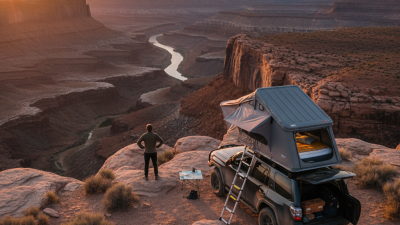
Camping enthusiasts often seek new adventures. Camping with a "Tent On Rooftop" provides a unique experience that blends urban living and nature. Alex Baxter, an expert in rooftop camping, suggests, “It's about finding peace where you least expect it.” This statement captures the essence of enjoying the great outdoors in an unconventional setting.
Setting up a tent on a rooftop offers breathtaking views. Imagine sleeping under the stars while city lights twinkle below. However, it comes with challenges. Safety is paramount. You must ensure the structure can support a tent, and windy conditions might make it tricky. Choosing the right gear is essential for comfort and security.
Moreover, remember that not every rooftop is suitable. Local regulations may pose restrictions. Research and plan well to prevent potential issues. Embrace the quirks of rooftop camping, and be ready to adapt. You may face unexpected events. Yet, these moments often lead to the best stories. Engaging with this adventurous style of camping can enhance your appreciation of both nature and the urban landscape.

Best Practices for Choosing the Right Rooftop Tent Material
Choosing the right material for your rooftop tent is crucial for a successful camping experience. Look for durable fabrics. Polyester and nylon are popular options due to their strength and resistance to tearing. Waterproof materials are a must to keep you dry during rain. Check seams for quality. Poorly stitched seams can lead to leaks.
Breathability is another key factor. You want a tent that allows air circulation, reducing condensation inside. Some materials are treated to resist mold, which can be a deal-breaker for long trips. Don’t forget about weight. A heavier tent may affect your vehicle's roof capacity and handling.
Reflect on the conditions you’ll face. Will it be hot or cold? Each material performs differently in extreme temperatures. Test a few options before your trip. Sometimes, what seems perfect in theory doesn’t hold up in the real world. Always have a backup plan. A good quality tent can be your refuge, but it must suit your environment.
Essential Gear for a Safe and Comfortable Rooftop Camping Experience
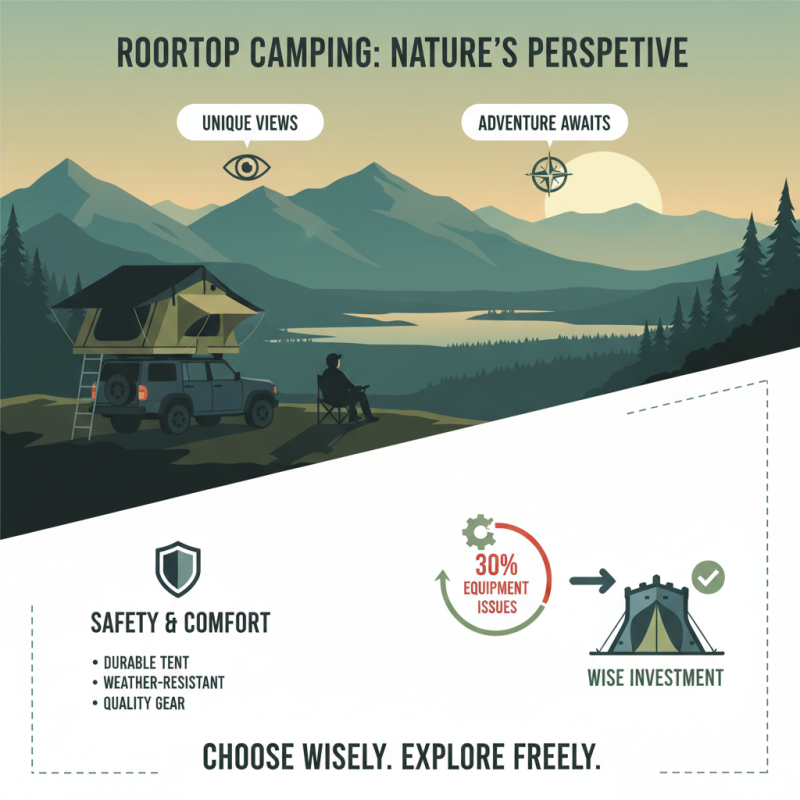
Rooftop camping offers a unique perspective of nature. However, safety and comfort must always be a priority. Essential gear can transform a good experience into a great one. A durable, weather-resistant tent is key. Research shows that around 30% of camping-related issues stem from poorly chosen equipment. It’s wise to invest in a solid tent.
Additionally, sleeping gear is crucial. A high-quality sleeping pad and sleeping bag significantly improve rest quality. A study indicates that comfort affects sleep quality, which directly influences overall camping enjoyment. Check the weather before setting up. Rain without proper gear can lead to miserable nights. Forgetting a rainfly can turn your tent into a disaster.
Moreover, ensure you have the right cooking equipment. Portable, compact stoves are vital. According to studies, nearly 40% of campers report frustration with cooking setups. A simple stove can save time and energy. Don’t forget a cooler for food. Fresh ingredients can enhance any meal. Finally, pack essentials like a first-aid kit and a flashlight. Safety comes first, and being prepared can prevent most issues from escalating. When on a rooftop, awareness is key; be cautious of wind and weather changes.
Understanding Weight Limits: Maximizing Safety on Rooftop Tents
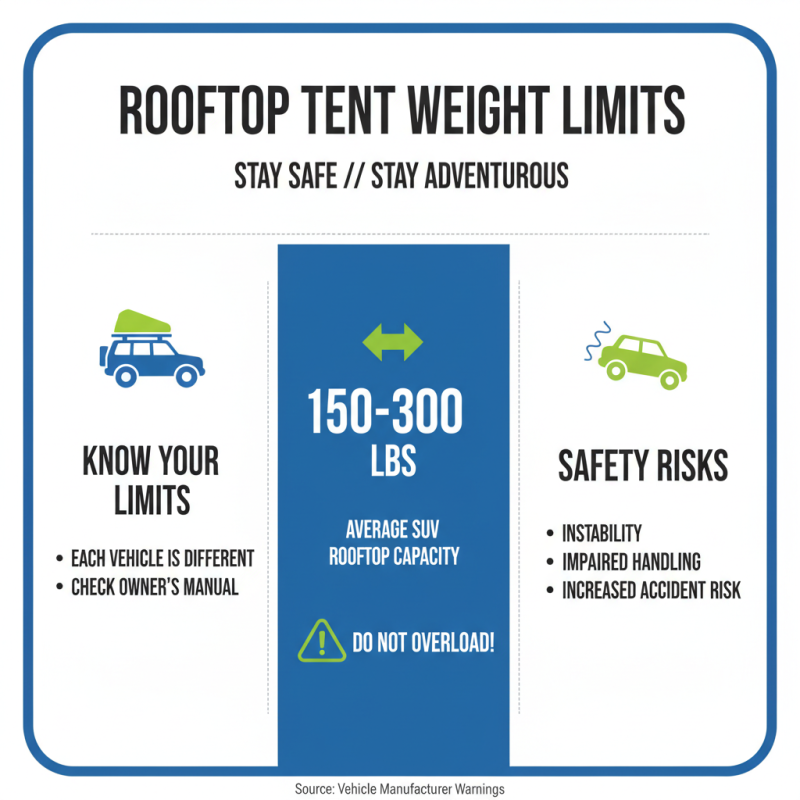
When camping on a rooftop, understanding weight limits is crucial. Each vehicle has a specific weight cap for rooftop tents. The average weight limit for many SUVs ranges from 150 to 300 pounds. Exceeding this can lead to serious safety issues. For instance, manufacturers warn that overloading can cause vehicle instability. This directly impacts handling and braking, increasing accident risks.
Proper weight distribution is another key aspect. It’s not just about the total weight. How the weight is arranged matters a lot. Uneven weight can shift during driving. This can cause sway or even tipping. According to industry reports, correctly positioning gear helps maintain balance. Consider using lightweight materials for your camping gear. Look for options that pack small but are strong enough.
Before heading out, check weight specifications carefully. Misjudging your weight can affect your camping experience. Always keep safety in mind, especially in a rooftop setup. Monitoring weight ensures a stable, enjoyable adventure. Remember, a well-planned roof camping trip can turn into a disaster without proper precautions. Take the time to reflect on your setup before you embark.
Top Tips for Setting Up a Tent on Various Rooftop Types
When camping on rooftops, consider the type of surface you're dealing with. A flat rooftop is easier for tent setup. Ensure you have a flat, clear area for stability. Check for any nearby obstacles that may cause problems. Wind can be an issue too; support your tent with heavy weights or tie it down.
For sloped rooftops, things get tricky. Finding the right angle is key. Use a smaller tent to minimize the risk of slipping. Think about using extra ropes or stakes for security. Be mindful of drainage too. If it rains, ensure the water won't collect under your tent.
Setting up on a rooftop requires careful planning. Don’t rush the process. Test your gear before the trip. Sometimes, things won’t fit as expected. A little reflection can save you from a sleepless night. Pay attention to your surroundings. Enjoy the view, but make safety your priority.
Best Tips for Camping with a Tent on Rooftops
Weather Considerations: Preparing for Rain, Wind, and Sun on Rooftops
When camping on a rooftop, weather considerations are critical. Rain can ruin a camping experience quickly. According to a report by the National Weather Service, about 30% of outdoor enthusiasts experience rain during their trips. Ensure your tent is waterproof to keep moisture at bay. Use a rainfly and seal any seams. Position your tent in the least exposed area of the roof. This protects you from unexpected downpours.
Wind poses another challenge. A study from the American Meteorological Society indicated that winds exceeding 20 mph can collapse poorly secured tents. Use sturdy stakes and guylines to secure your shelter. Consider the orientation of your tent, facing away from strong winds. Additionally, adequate sun protection is essential. The UV Index can spike unexpectedly, with many campers unaware of the risks. Adequate shade can lower temperatures by up to 10 degrees. Consider using reflective tarps or awnings to create shade in hotter climates.
In moments of severe weather, be mentally prepared. Rain may seep in despite your efforts. Wind might cause unexpected shifts. Reflect on these challenges and develop a contingency plan. Be ready to adapt and stay safe.
Best 10 Tips for Camping with a Tent on Rooftop - Weather Considerations
| Weather Condition |
Tip |
Preparation Actions |
| Rain |
Use a Waterproof Tent |
Check for leaks and waterproof the seams |
| Wind |
Choose a Low-profile Tent |
Stake down the tent securely to prevent rolling |
| Sun |
Set Up Shade |
Use a tarp or sunshade to block direct sunlight |
| Humidity |
Ventilation is Key |
Open vents and doors to allow airflow |
| Cold |
Insulate Your Tent |
Use insulation blankets or sleeping pads to trap heat |
| Lightning |
Seek Shelter |
Move to a safer location if thunderstorms arise |
| Fog |
Be Aware of Visibility |
Use markers to outline your area and avoid wandering |
| Snow |
Weight Management |
Ensure snow is cleared off and avoid overloading |
| Extreme Heat |
Stay Hydrated |
Bring plenty of water and electrolyte drinks |
| Severe Weather |
Monitor Weather Updates |
Use weather apps to stay informed |