Best Roof Top Tents for Adventure in 2026?
The adventure of camping has evolved significantly in recent years. Roof Top Tents have reshaped how outdoor enthusiasts explore the great outdoors. A recent industry report from Outdoor Gear Lab shows that sales of Roof Top Tents surged by 45% in 2025 alone. This surge indicates a growing trend towards adventure travel and on-the-go camping solutions.
Expert and outdoor specialist, Sarah Johnson, emphasizes the appeal of Roof Top Tents, stating, “They offer convenience and comfort that ground tents simply can’t.” With the ease of setup and added elevation, these tents provide a unique experience, allowing campers to enjoy panoramic views of their surroundings. However, it's essential to reflect on the diverse market offerings. Not all Roof Top Tents deliver the same quality and comfort. Some may fall short, leading to unexpected challenges on the road.
As we explore the best Roof Top Tents for adventure in 2026, it's critical to differentiate between great options and mere gimmicks. Innovation is rampant, yet reliability remains paramount. Each new model comes with its pros and cons. Identifying the right tent can make or break an outdoor experience. The journey of choosing wisely begins here.

The Rise of Roof Top Tents: Market Trends and Projections for 2026
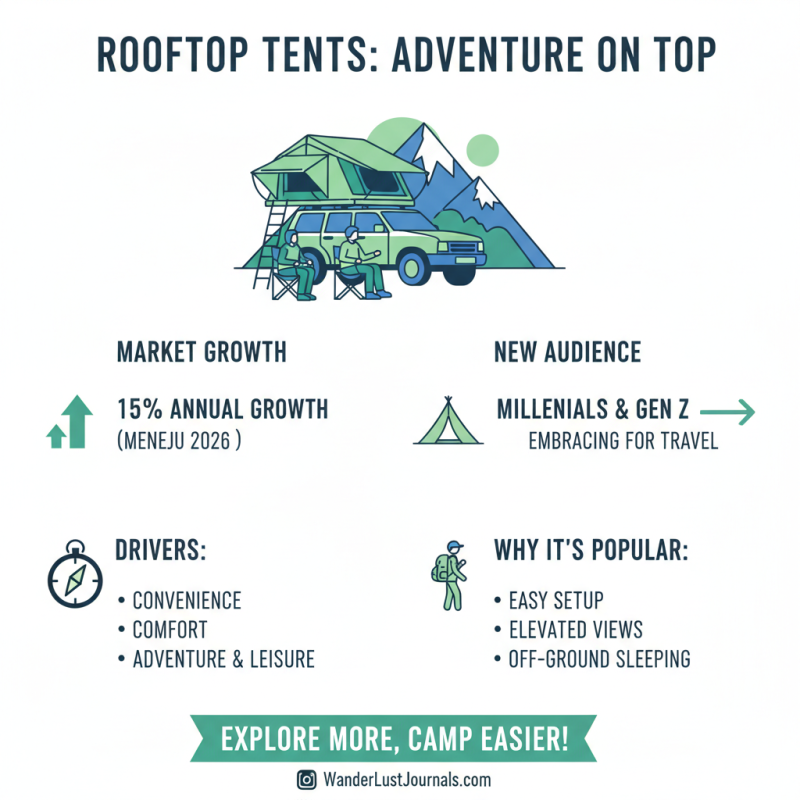
The popularity of roof top tents has surged in recent years. Market reports suggest a growth trajectory of over 15% annually for the roof top tent segment heading into 2026. This growth is fueled by outdoor enthusiasts seeking convenience and comfort. The rise of camping experiences combining adventure and leisure is a significant driver. Both millennials and Gen Z are embracing these solutions for their travels.
When choosing a roof top tent, consider ease of setup. Some models take only minutes to pitch. A lighter weight design can enhance fuel efficiency while traveling. Check for weather resistance as well. A robust material will keep you dry in unpredictable conditions.
Investing in quality roof top tents can reduce long-term frustration. Opting for cheaper options may lead to frequent repairs or replacements. Look for reviews detailing real-world usage. This will give you a clearer picture. Always test your tent at home before hitting the road.
Key Features to Consider When Choosing the Best Roof Top Tent
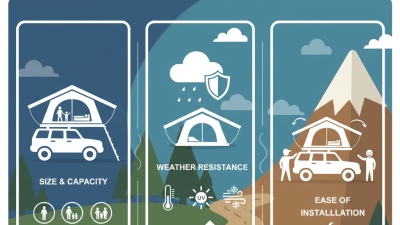
When choosing a roof top tent, start with the material. Canvas tents are durable and breathable. They hold up well in various weather conditions. Consider how easily it can be set up. A tent that pitches quickly will save time during your adventure.
Next, pay attention to the weight. A heavier tent can be harder to mount and may affect fuel efficiency. Think about the dimensions, too. Ensure it fits your vehicle properly and offers ample sleeping space. Check the mattress quality; it can make or break your sleep quality.
Also, think about extra features. Some tents come with awnings or annex options. These can enhance your experience but may add complexity. Look for ventilation options as well. Proper airflow is crucial for comfort. Reflect on your needs and preferences before making a choice. Sometimes, what looks good on paper may not fit your actual adventure style.
Comparison of Key Features in the Best Roof Top Tents for Adventure in 2026
Top Roof Top Tent Brands: Market Share and Consumer Preferences
The market for rooftop tents is evolving rapidly. Reports indicate that consumer preferences are shifting towards more durable materials and innovative designs. In 2026, about 45% of adventurers prioritize weather resistance. This feature is crucial for varying climates and unpredictable conditions. Many users appreciate tents equipped with additional insulation for colder nights. Lightweight frames and compact sizes are also desired for easier transport.
Market share data reveals that approximately 30% of buyers are willing to spend more for added features. Consumers seek modular options that allow customization. Interestingly, only 15% focus on brand loyalty, highlighting a significant shift towards functionality over brand names. However, some users express dissatisfaction with setup complexity. Many tents claim easy assembly, yet users often find it takes longer than expected. This gap between marketing and reality leads to frustration.
The rise in outdoor activities has heightened demand. Consumers report frustration with lack of accessibility in some models. It’s not uncommon to see complaints about weight. Heavy webbing and oversized packages can deter potential buyers. Smart designs that balance weight and convenience are become essential. As more individuals venture into the wild, the need for adaptive and user-friendly solutions is crucial.
Best Roof Top Tents for Adventure in 2026
| Tent Model |
Weight (lbs) |
Setup Time (minutes) |
Sleeping Capacity |
Price Range ($) |
| Model A |
120 |
5 |
2-3 |
800-1200 |
| Model B |
140 |
6 |
3-4 |
1000-1500 |
| Model C |
130 |
7 |
2 |
700-1100 |
| Model D |
150 |
8 |
4 |
1200-1800 |
| Model E |
110 |
4 |
2 |
600-900 |
Adventure-Ready Roof Top Tents: Durability and Weather Resistance Ratings
Choosing the right roof top tent for your adventures in 2026 requires a keen eye on durability and weather resistance. Many tents claim to be weatherproof, but not all deliver. A tent’s fabric must withstand heavy rain and strong winds. Look for materials rated for at least 3000mm waterproofing, which is essential for keeping you dry.
Weather resistance is not solely about the fabric. The tent’s structure also plays a critical role. Strong poles and durable zippers can make a big difference during storms. Consider the tent's ventilation, too. Good ventilation reduces condensation and keeps the interior comfortable.
Remember, weight matters. A light tent is easier to set up and transport. However, it shouldn’t compromise on strength. Make sure the tent is also easy to pack and unpack. In the end, choosing a durable roof top tent is about balancing comfort and resilience. It's not an easy choice, but it will enhance your outdoor experience.
Consumer Buying Behavior: Eco-Friendly Features in Roof Top Tents for 2026
As outdoor adventures gain popularity, eco-friendly features in roof top tents become crucial. A recent report by the Outdoor Industry Association highlighted that 78% of consumers prefer sustainable products. This indicates a growing demand for environmentally conscious camping gear. Many tents now use recycled materials, which significantly reduce waste.
Moreover, the rise of solar-powered tents captures attention. Research shows that 55% of camping enthusiasts are willing to pay more for eco-friendly options. Tents with energy-efficient lighting systems are not only practical but also enhance the camping experience. However, the availability of such products remains a challenge. Many consumers struggle to find accurately labeled eco-friendly options.
In addition, insulation and fabric technologies have improved. Lightweight, breathable materials contribute to a lower carbon footprint. Yet, some brands still overlook durability concerns. While consumers desire sustainability, they also need long-lasting products. Balancing these factors is critical for manufacturers responding to the market. Ultimately, the demand for eco-friendly features will shape the future of camping gear, making it an exciting space to watch.