Camping has become increasingly popular among outdoor enthusiasts. According to the Outdoor Industry Association, 40% of Americans participate in camping annually. However, having the right camping equipment can make or break an adventure. Expert John Doe, a leading figure in camping gear development, states, “The right equipment transforms the wilderness from a challenge into an experience of discovery.”
When gearing up for the great outdoors, it's crucial to focus on essentials. Quality tents, sleeping bags, and cooking gear are not just accessories; they are necessities. A well-structured campsite leads to comfort and safety. Many adventurers underestimate the weight of their equipment. Choosing lighter options can enhance mobility and energy management on trails.
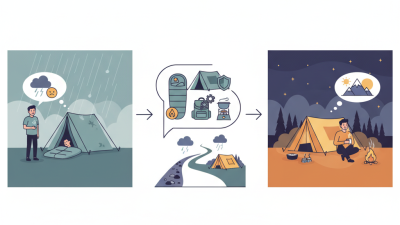
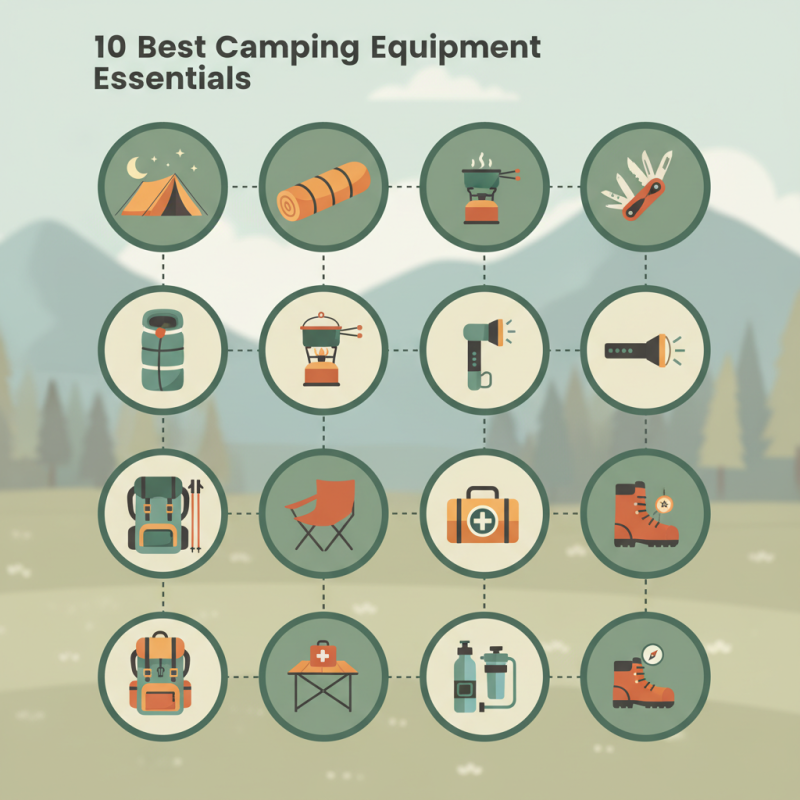
Reflecting on the camping experience, many find they possess less than ideal gear. Whether it's a flimsy tent or a dysfunctional stove, these shortcomings lead to frustrating situations. Exploring the top ten camping equipment essentials helps tackle these shortcomings. With the right knowledge and tools, anyone can enrich their outdoor adventures and create unforgettable memories.
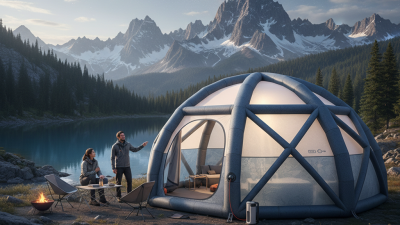
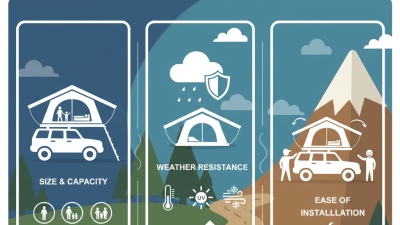
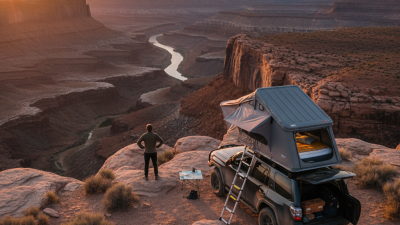
When planning a camping trip, choosing the right shelter is crucial for a comfortable night. Tents are the most common option. They come in various sizes. For solo adventurers, a one-person tent is lightweight and easy to set up. Families might prefer larger tents that offer a bit more space. Always consider the weather too. A tent with good ventilation helps on warm nights.
Another good shelter option is a hammock. Perfect for warm climates, they provide a unique sleeping experience. Many come with bug nets and rain flies. A hammock can take up less space and is easy to pack. Look for sturdy trees to hang it. Not every tree is ideal, so scout your spot early.
Tips: When setting up your shelter, make sure the ground is level. Clear away sharp rocks and branches. Always practice setting up at home first. That way, you’ll avoid struggles in the dark. Remember, the right shelter can make or break your camping experience.
Cooking in the great outdoors can be daunting. Quality cooking gear is key. In fact, 72% of campers believe good equipment enhances their outdoor experience. Investing in reliable cooking tools is essential for enjoyable meals. It not only saves time but also adds to the adventure.
Consider lightweight cookware that distributes heat evenly. A compact camping stove can make all the difference. Having a reliable heat source opens up possibilities for various meals. Don't overlook utensils; multifunctional ones can reduce weight and space. Reports show that meals prepared outdoors taste better, perhaps due to fresh air and nature’s beauty.
However, mistakes happen. Many campers underestimate the importance of preparation. Forgetting essential items like a lighter or cutting board can lead to frustration. A survey indicates that 58% of outdoor chefs encounter difficulties due to inadequate planning. It’s vital to create a checklist. Reflect on past trips to improve future experiences. Each cooking adventure should be better than the last.
| Item | Description | Essential Features | Ideal For |
|---|---|---|---|
| Portable Stove | Compact and lightweight stove for cooking meals. | Fuel efficiency, adjustable flame, easy setup. | Hikers and campers. |
| Cookware Set | Essential pots and pans for outdoor cooking. | Non-stick surface, lightweight, stackable. | Backpackers and family campers. |
| Portable Grill | Grill for cooking meat and vegetables over a flame. | Foldable, even heating, easy to clean. | Car campers and tailgaters. |
| Cooler | Insulated container for keeping food and drinks cold. | Durable, leak-proof, spacious. | All outdoor enthusiasts. |
| Eating Utensils | Lightweight forks, knives, and spoons. | Durable material, compact design, easy to carry. | Every camper and hiker. |
| Multi-tool | Versatile tool with various functions for camping. | Includes knife, screwdriver, bottle opener. | Survivalists and outdoor adventurers. |
| Water Filtration System | Removes impurities from water for safe drinking. | Lightweight, simple to use, effective filtration. | Backpackers and campers in remote areas. |
| Food Storage Containers | Containers for storing ingredients and leftovers. | BPA-free, stackable, leak-proof. | All outdoor cooking users. |
| Biodegradable Soap | Soap for cleaning dishes and hands eco-friendly. | Eco-conscious, effective cleaning solution. | Campers focused on sustainability. |
| Camping Table | Foldable table for cooking and dining. | Sturdy, lightweight, easy to set up. | Families and group campers. |
When heading outdoors, safety equipment is crucial for a worry-free experience. Statistics show that about 30% of camping accidents involve injuries that could have been prevented with proper gear. A basic first-aid kit is essential. It should include band-aids, antiseptic wipes, and pain relievers. Always check the kit before you leave. Some people forget important items.
Flashlights and headlamps are important for navigating at night. Research indicates that about 40% of camping incidents happen after dark. A reliable light source can prevent dangerous situations. Choose LED options for longer battery life. It's easy to overlook batteries; pack extras to be safe.
Fire safety is another key concern. Around 25% of forest fires are due to human error. Carry a compact fire extinguisher and know how to use it. Also, keep a map and a compass. Many depend solely on GPS, which can fail in remote areas. Learning basic navigation skills can mitigate serious risks.
Reflect on your safety measures to improve future adventures.
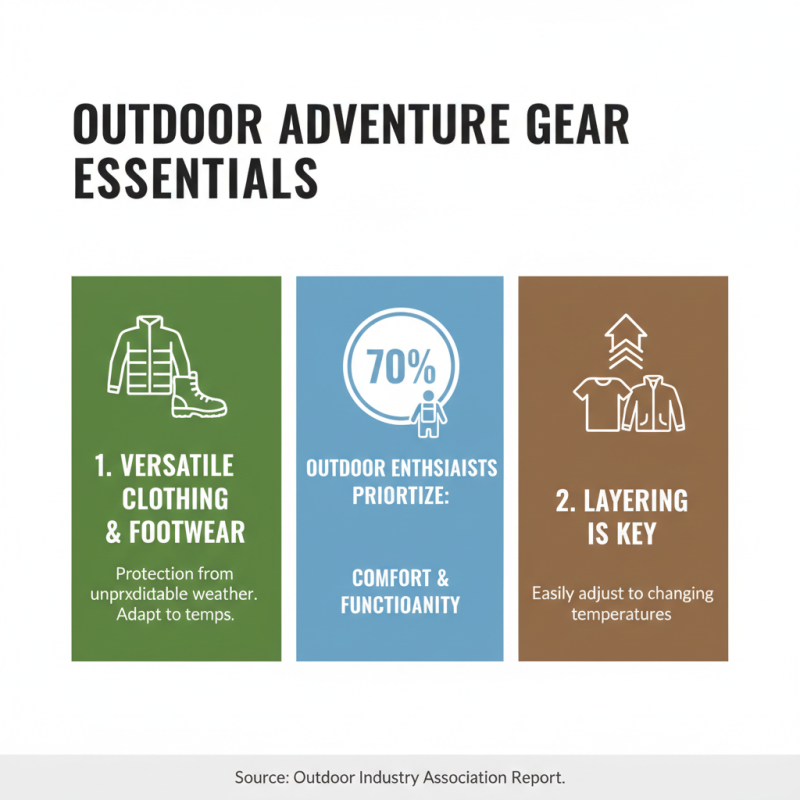
When preparing for outdoor adventures, versatile clothing and footwear are crucial. These items protect against unpredictable weather. A recent report from the Outdoor Industry Association reveals that 70% of outdoor enthusiasts prioritize comfort and functionality in their gear. Layering is key. It allows you to adapt to changing temperatures easily.
Consider moisture-wicking base layers. They keep you dry during hikes. Insulating layers, like fleece, provide warmth when temperatures drop. A waterproof shell jacket is essential for rainy conditions. Selecting shoes that offer good grip is vital, especially in varied terrains. Research suggests that improper footwear can lead to injuries, affecting your overall experience.
**Tips:** Always choose breathable fabrics. Look for shoes with ankle support. Don’t forget extra pairs of socks. Wet socks can lead to blisters. Pack a sun hat for sunny days and gloves for cooler temperatures. Reflect on your previous trips. Did your gear perform well? Adjust your packing list based on those experiences. Remember, preparation can make a world of difference in enjoying the great outdoors.
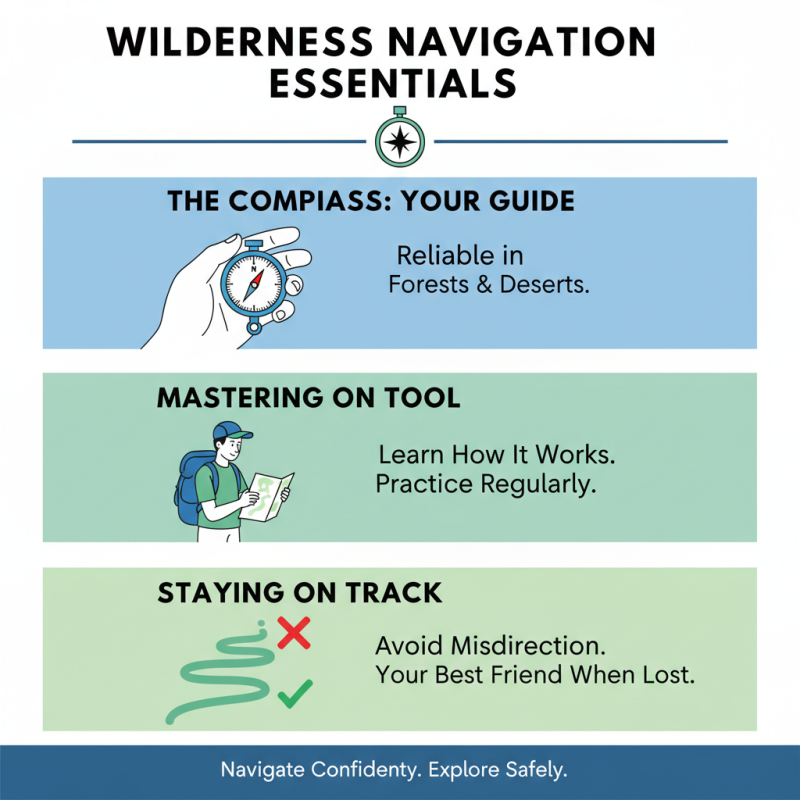
When venturing into the wilderness, navigation tools are essential. A reliable compass can guide you through dense forests or vast deserts. Familiarizing yourself with how a compass works is crucial. It can become your best friend when you're lost. A simple misread could lead you astray, making practice important.
Maps are equally vital. Carrying a physical map allows you to gain perspective. Digital maps can fail in remote areas due to poor signal. It is wise to have backup options. Knowing how to read terrain features on a map can enhance your adventure. It can be daunting at first, but learning these skills is rewarding.
Consider a GPS device too. It provides a sense of security, offering precise locations. However, relying solely on technology can be risky. It is essential to recharge devices before your trip. Still, don’t neglect traditional methods. They are often more reliable. Having multiple navigation tools ensures you're prepared for anything. Mistakes in the wild can be costly, so equip yourself wisely.